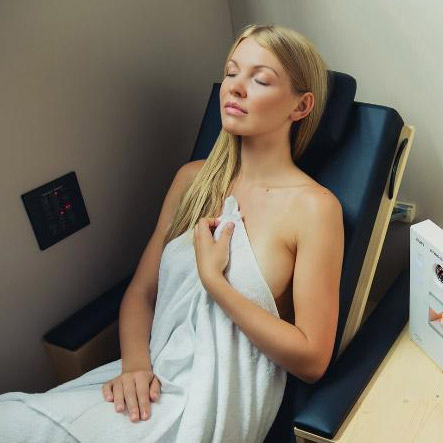
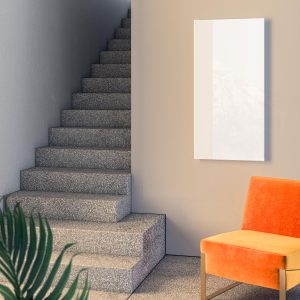






Der Frühsommer steht für Aufbruch, Aktivität und neue Lebensfreude. Genau jetzt ist der ideale Moment, um Ihrem Körper etwas zurückzugeben und bewusst in Ihr Wohlbefinden zu investieren.
-18 % auf alle Physiotherm Infrarotkabinen & Liegen vom 1. bis zum 30.Juni 2026.
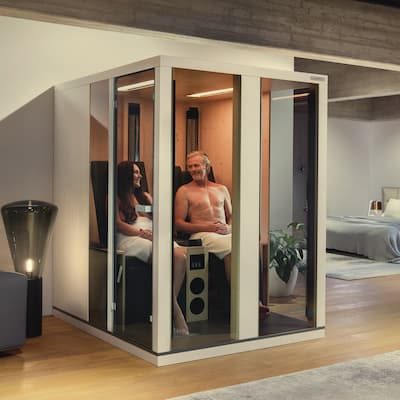
Es gibt viele verschiedenen Modelle und Anbieter von Infrarotkabinen. Auf welche Dinge sollten Sie beim Kauf einer Infrarotkabine achten?
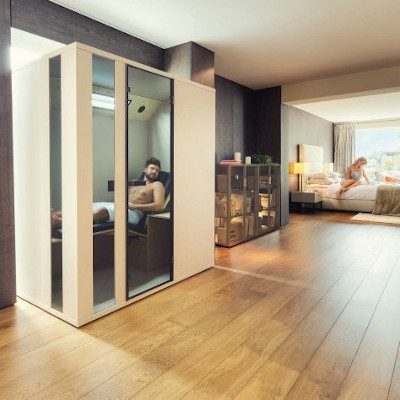
Wärmestrahlenquellen geben ein breites Spektrum elektromagnetischer Strahlung unterschiedlicher Wellenlängen ab. Was man bei Anwendungen in der Infrarotkabine beachten sollte.

5 Gründe, warum sich regelmäßige Wärmeanwendungen in der Infrarotkabine langfristig und positiv auf Ihre Gesundheit auswirken.
Physiotherm Beratung
Wir helfen Ihnen bei der Auswahl der passenden Infrarotwärme – denn es geht um Ihre GESUNDHEIT!
Wir beantworten alle Ihre Fragen. Informieren Sie sich in einem kurzen, unverbindlichen Beratungsgespräch mit unseren Experten über die Modellauswahl, Wirkungsweise und Optionen.
Mit unseren einzigartigen Physiotherm Infrarotkabinen erfahren Sie zuhause Wellness und Entspannung wie in einem Luxushotel. Ob einfaches Design einer Infrarotkabine für 1 Person oder der hoher Komfort einer Premium Infrarotkabine für 2 Personen: In unserer Physiotherm-Familie ist für jeden etwas dabei – hier alles über die Wirkung von Infrarotkabinen.
Wir hatten uns überlegt, eine kombinierte finnische und Infrarotsauna in unserem Haus einzubauen. Wegen der Räumlichkeiten war es notwendig, eine individuelle Planung vorzunehmen und u.a. Ihre Infrarottechnik zu kaufen und einzubauen. Beraten und verkauft hat uns die Technik Frau Andrea Krüger. Diese Beratung war und ist so gut, wie man sie wohl nur noch selten findet. Frau Krüger war ausgesprochen hilfreich, zuvorkommend, mittdenkend, völlig unkompliziert und freundlich. Wir bedanken uns hiermit noch einmal für die sehr gute Arbeit.
Ich habe die Liegekabine Ergo-Balance Relax für eine Person. Die Lieferung und der Aufbau hat reibungslos funktioniert. Die Anwendung in der Kabine tut mir sehr gut und ich fühle mich gut entspannt und habe nach der Anwendung einen sehr guten Nachtschlaf. Auch der Microsalt bringt mir nach ca. 20 Minuten eine deutliche Besserung bei meinem Heuschnupfen.
Meine Physiotherm Liegekabine für eine Person ist genau das Richtige. Ich bin sehr zufrieden mit der Verarbeitung und der professionellen Montage. Seit vielen Jahren hatte ich jeden Winter eine heftige Grippe. Seit ich jeden 2. Tag in die Kabine gehe, wurde ich nun verschont. Mein Immunsystem hat sich wesentlich verbessert.
Ich kann die Kabine nur weiterempfehlen.
Seit nunmehr drei Monaten bin ich stolzer Besitzer einer Infrarotkabine von Physiotherm und seither ihr täglicher Gast: Die angenehme Wärme, welche tief ins Gewebe vordringt, schafft ein lang anhaltendendes Wohlgefühl, ohne den Kreislauf übermäßig zu strapazieren. Durch individuelle Einstellungen lässt sich diese ständig aufs Neue dosieren und garantiert dadurch maximale Entspannung oder auch sanfte Aktivierung. Mit Frau Hofbauer ist die fachkundige Beratung vor Ort in Salzburg garantiert, welche bei solch einem exklusiven Produkt sehr wertvoll ist. Alles in allem ist die Infrarotkabine von Physiotherm für mich nicht mehr wegzudenken: Die tägliche Dosis Wellness für Zuhause erleichtert und bereichert meinen Alltag ungemein.
Meine Physiotherm Kabine für eine Person tut mir so unendlich gut. Ich bin hochgradig allergisch gegen verschieden Materialien. Nachdem ich die Infrarotkabine ausgiebig testen durfte, waren alle Bedenken weg. Die Glaskabine und der gepolsterte Sitz hat keinerlei Ausdünstung und die Wirkung tut mir für Leib und Seele einfach nur gut. Besten Dank für Ihre Unterstützung.
Ich werde die Kabine gerne weiterempfehlen.
Als Projektentwickler sind uns Qualität und Langlebigkeit sehr wichtig. Deshalb haben wir und unser Kunde uns für die Infrarotkabinen von Physiotherm für die Suiten im 5-Sterne-Hotel AVIDEA in Algund entschieden. Von diesem hochwertigen Wellnesserlebnis sind wir und unsere Gäste begeistert.
Seit einem halben Jahr nutze ich nun meine Physiotherm Infrarotkabine nach dem Sport. Die Wärme tut meiner Muskulatur richtig gut und hilft mir, schneller zu regenerieren. Ich kann sie jedem empfehlen, der nach dem Training schnell wieder fit werden will.
Nachdem unsere Physiotherm Infrarotkabine uns immer gut durch den Winter gebracht hat, haben wir uns vor einiger Zeit zusätzlich die Ergo Relax Lounge Liege angeschafft, die uns für eine „kurzweilige“ Wärmeanwendung entspannte Momente schenkt. Wir können die Physiotherm Produkte wärmstens weiterempfehlen, auch die Beratung im Schauraum Thaur war ausgezeichnet! Ein herzliches Dankeschön sendet Ihnen & Ihrem Team
Leider habe ich seit meiner Kindheit Heuschnupfen, bisher musste ich in der Zeit der Frühblüher immer Tabletten nehmen. TCM hat letztes Jahr auch etwas geholfen aber ich musste trotzdem meine Tabletten nehmen. Dieses Jahr musste ich bisher noch keine einzige Tablette nehmen. Ich merke auch das meine Bronchien mehr Volumen geben als normal um diese Jahreszeit. Natürlich spüre ich die Pollen gerade bei ganz starker Belastung, die typischen Symptome wie Niesen, Augenreiben treten auf, jedoch in wesentlich bzw. stark abgeschwächter Form.
Ich verwende das Gerät jeden bzw. jeden 2. Tag. Sitzung bei 50% Infrarot Kabine Leistung, ca. 45-50 min.
Für mich eine klare Kaufempfehlung für alle die mit Heuschnupfen, mit den Bronchien, dem Immunsystem Probleme haben.
Grundvoraussetzung ist die Kombination mit der Physiotherm Kabine mit konsequenter täglicher Nutzung bzw. regelmäßigen Sitzungen.
Nochmal Danke an Sie für Ihre Empfehlung und kompetente Beratung!
Freundliche Grüße
Christian Schmidt
Wir helfen Ihnen bei der Auswahl der passenden Infrarotwärme – denn es geht um Ihre GESUNDHEIT!
Physiotherm Infrarotkabinen
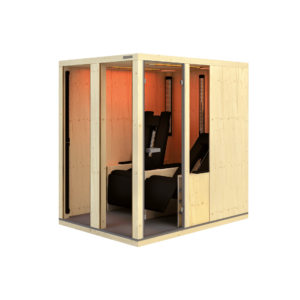
Infrarotkabine zum Liegen
für 2 Personen
SENSOcare®
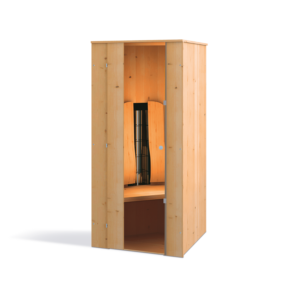
Infrarotkabine zum Sitzen
für 1 Person
SENSOcare®
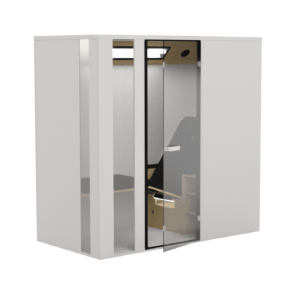
Infrarotkabine zum Liegen
für 1 Person
SENSOcare®
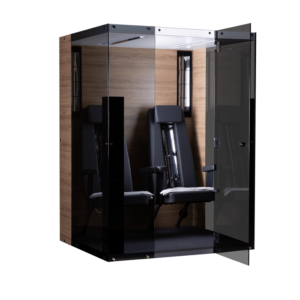
Infrarotkabine zum Sitzen
für 2 Personen
SENSOcare®
Physiotherm Infrarotprodukte
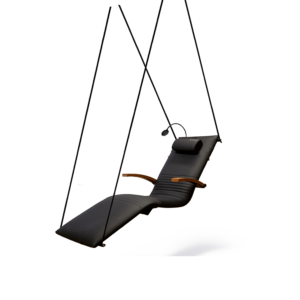
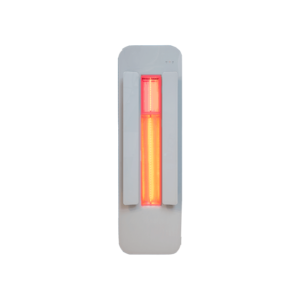
Ergänzend zu unseren Infrarotkabinen haben wir unsere Produktpalette für Sie erweitert. Genießen Sie die angenehme Infrarot-Wärme von Physiotherm zuhause, unterwegs oder im Büro, mit unseren hochwertigen Produkten für Ihr Wohlbefinden: bequeme Infrarotliegen, Wellness – Infrarotduschen, mobile Infrarot Rückenstrahler und hochwertiges Zubehör für Ihre Infrarotkabine zuhause.
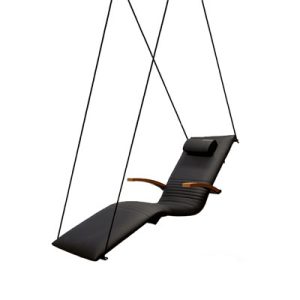
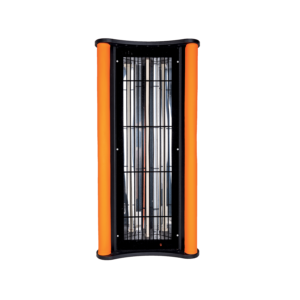
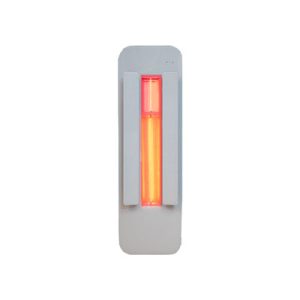
Mit unseren einzigartigen Infrarotkabinen erfahren Sie zuhause Wellness und Entspannung.
Mit Herzblut zur Innovation
- jeden Tag zu jeder Zeit
Wer Infrarot sagt, muss auch Physiotherm sagen! Denn wir wissen, was Ihr Körper braucht, um sich ein Stück Lebensqualität zurückzuholen. Mit echter Liebe zur Qualität und zum Handwerk holen wir das Beste aus Ihrer Zeit in unseren Infrarotkabinen heraus. Erleben Sie perfekte Regeneration mit SENSOcare®, der besonderen Infrarottechnik Physiotherms - wir machen es für Sie möglich.




Wir freuen uns, wenn wir Sie bei Ihrem Anliegen direkt unterstützen können!
Was ist SENSOcare®?

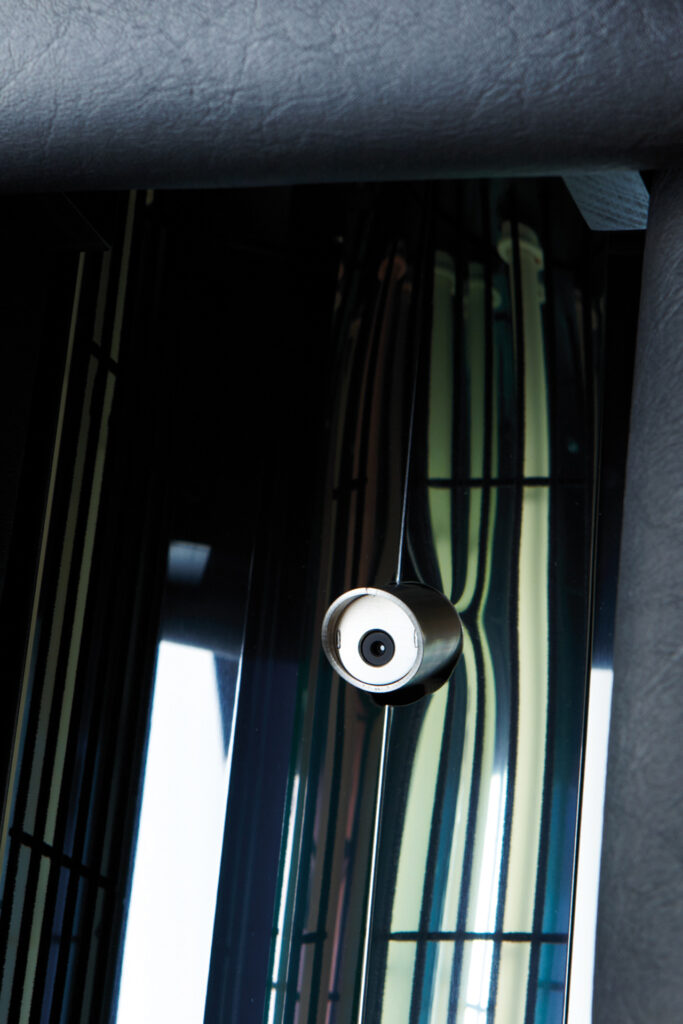
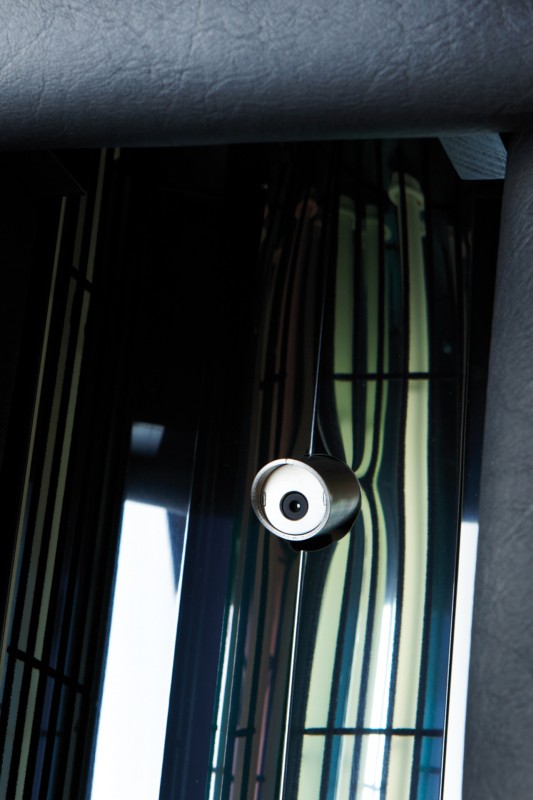
Jeder Mensch verarbeitet Wärme anders. Aus diesem Grund haben wir für unsere Physiotherm Infrarotkabinen die revolutionäre SENSOcare®-Technologie entwickelt. Sie ist die erste Infrarottechnologie, die automatisch und berührungslos die Infrarotintensität auf die Bedürfnisse Ihres Körpers anpasst.
Die Wärmeaufnahmefähigkeit Ihrer Haut wird durch viele Faktoren beeinflusst. Um Ihnen stets ein angenehmes Wärmeerlebnis zu gewährleisten, ist es daher wichtig, die Intensität der Infrarotbestrahlung individuell an den Körper anzupassen. Unsere SENSOcare®-Sensoren messen hierfür während der Anwendung im Sekundentakt berührungslos die Hauttemperatur Ihres Rückens. In klinischen Studien haben wir Algorithmen entwickelt, die auf Basis dieser Messwerte die Strahlentemperatur sowie Infrarotintensität und -spektrum selbstständig an die Bedürfnisse Ihres Körpers anpassen. Damit wird die Wärmezufuhr permanent optimiert und Ihre Haut vor Verbrennungen geschützt. So erhalten Sie stets die perfekte Wärme.
Sensocare®
Sensocare®
„Wer sich einmal für eines unserer hochwertigen Qualitätsprodukte entschieden hat, spürt, dass darin nicht nur perfekte Wärme steckt, sondern auch viel Herzblut.“
Wir melden uns in Kürze!
Sie sehen gerade einen Platzhalterinhalt von Vimeo. Um auf den eigentlichen Inhalt zuzugreifen, klicken Sie auf die Schaltfläche unten. Bitte beachten Sie, dass dabei Daten an Drittanbieter weitergegeben werden.
Mehr InformationenSie sehen gerade einen Platzhalterinhalt von YouTube. Um auf den eigentlichen Inhalt zuzugreifen, klicken Sie auf die Schaltfläche unten. Bitte beachten Sie, dass dabei Daten an Drittanbieter weitergegeben werden.
Mehr InformationenSie müssen den Inhalt von reCAPTCHA laden, um das Formular abzuschicken. Bitte beachten Sie, dass dabei Daten mit Drittanbietern ausgetauscht werden.
Mehr InformationenSie sehen gerade einen Platzhalterinhalt von Facebook. Um auf den eigentlichen Inhalt zuzugreifen, klicken Sie auf die Schaltfläche unten. Bitte beachten Sie, dass dabei Daten an Drittanbieter weitergegeben werden.
Mehr InformationenSie sehen gerade einen Platzhalterinhalt von Google Maps. Um auf den eigentlichen Inhalt zuzugreifen, klicken Sie auf die Schaltfläche unten. Bitte beachten Sie, dass dabei Daten an Drittanbieter weitergegeben werden.
Mehr InformationenSie sehen gerade einen Platzhalterinhalt von Instagram. Um auf den eigentlichen Inhalt zuzugreifen, klicken Sie auf die Schaltfläche unten. Bitte beachten Sie, dass dabei Daten an Drittanbieter weitergegeben werden.
Mehr InformationenSie sehen gerade einen Platzhalterinhalt von Google Maps. Um auf den eigentlichen Inhalt zuzugreifen, klicken Sie auf die Schaltfläche unten. Bitte beachten Sie, dass dabei Daten an Drittanbieter weitergegeben werden.
Mehr InformationenSie sehen gerade einen Platzhalterinhalt von Vimeo. Um auf den eigentlichen Inhalt zuzugreifen, klicken Sie auf die Schaltfläche unten. Bitte beachten Sie, dass dabei Daten an Drittanbieter weitergegeben werden.
Mehr InformationenSie sehen gerade einen Platzhalterinhalt von YouTube. Um auf den eigentlichen Inhalt zuzugreifen, klicken Sie auf die Schaltfläche unten. Bitte beachten Sie, dass dabei Daten an Drittanbieter weitergegeben werden.
Mehr InformationenSie sehen gerade einen Platzhalterinhalt von Instagram. Um auf den eigentlichen Inhalt zuzugreifen, klicken Sie auf die Schaltfläche unten. Bitte beachten Sie, dass dabei Daten an Drittanbieter weitergegeben werden.
Mehr InformationenSie sehen gerade einen Platzhalterinhalt von X. Um auf den eigentlichen Inhalt zuzugreifen, klicken Sie auf die Schaltfläche unten. Bitte beachten Sie, dass dabei Daten an Drittanbieter weitergegeben werden.
Mehr Informationen